Self-Defence and Defence of Property: A Manitoba Security Perspective
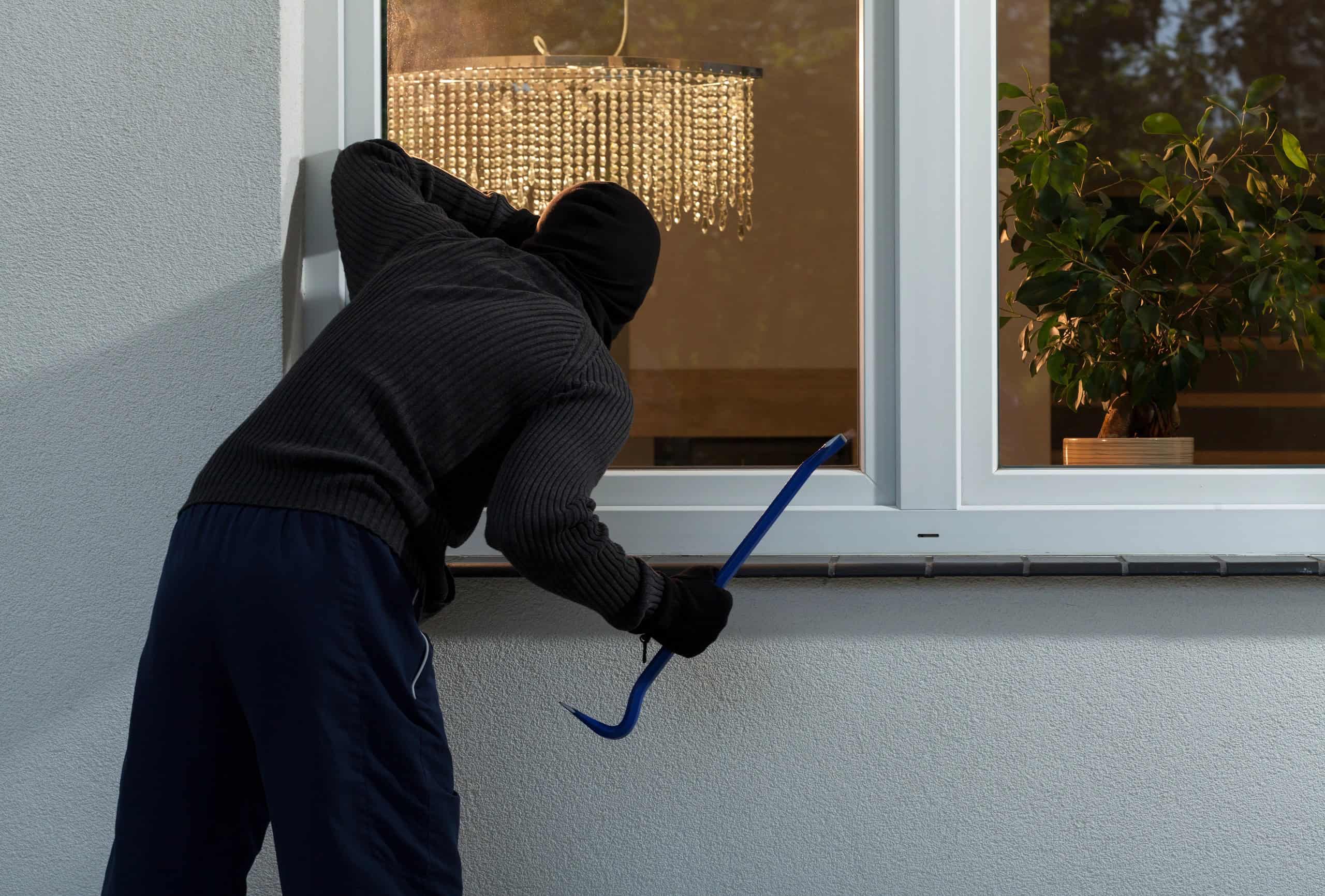
A recent Ontario case involving a home invasion and criminal charges has stirred debate across Canada.
For Manitoba security guards, this case serves as a reminder that use of force decisions are always judged after the fact — in court.
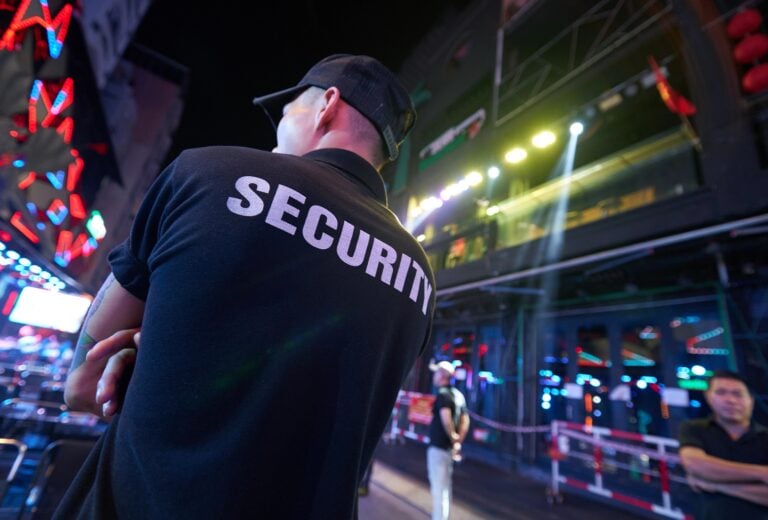
Manitoba Security Guards and Legal Authority
In Manitoba, security professionals are licensed under:
But when it comes to force, the authority comes from the Criminal Code of Canada.
Sections 26, 34, and 35 apply in Winnipeg, Brandon, Steinbach, and across the province.
Self-Defence (Section 34)
Security guards may use force if:
- They reasonably believe force is being used or threatened
- Their actions are defensive
- The force is reasonable
The word “reasonable” is the legal filter.
Courts will review:
- Size and strength differences
- Whether escape was possible
- Whether force continued after compliance
Complete your Use of Force training course here.
Defence of Property (Section 35)
Manitoba guards working in retail, healthcare, residential, or event security frequently protect property.
You may:
- Prevent theft
- Prevent damage
- Remove trespassers
But once the threat ends, your authority narrows.
Continuing force after control is gained may lead to charges.
Why Manitoba Guards Must Be Careful
Even when acting in good faith, excessive force can result in:
- Assault charges
- Civil claims
- Licence suspension
- Loss of employment
Public perception also plays a major role in today’s environment.
The Lesson for Manitoba Security Professionals
Self-defence is lawful in Canada.
Defence of property is lawful in Canada.
But neither is unlimited.
For Manitoba security guards, the safest approach is:
- De-escalate when possible
- Use only necessary force
- Stop when the threat stops
- Document thoroughly
Training and legal understanding remain your strongest protections. Complete your Manitoba Security Guard training course here.