
5 Types of Conflict and How Manitoba Security Guards Can Manage Them Effectively
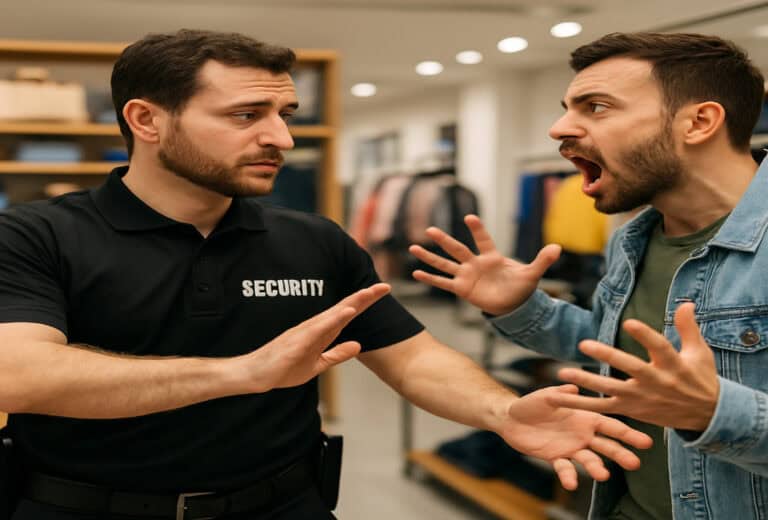
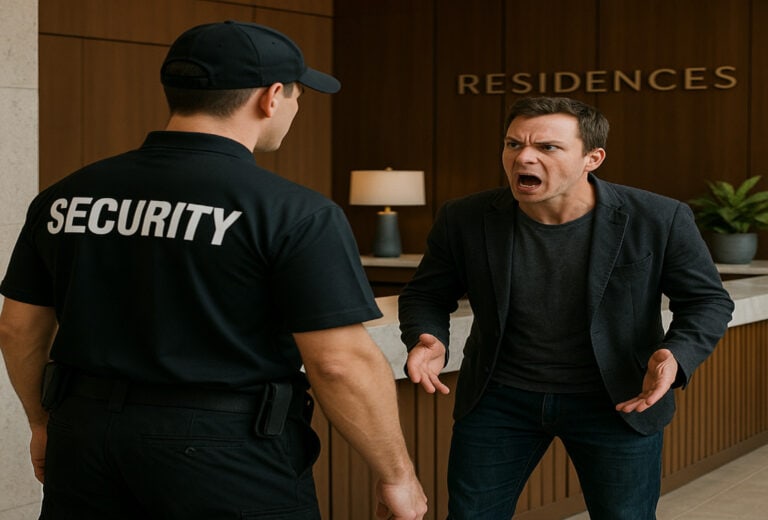
Conflict is a routine part of private security work in Manitoba. Whether you are assigned to a shopping centre in Winnipeg, a hospital, a housing complex, a construction site, or a government facility, security guards regularly deal with frustrated, emotional, or confrontational individuals.
Complete your Manitoba Security Guard training here.
In many cases, the difference between a situation staying manageable or turning into a serious incident comes down to how the conflict is handled in its early stages. Understanding what type of conflict you are facing allows you to choose the right response, use appropriate de-escalation techniques, and protect both public safety and your own legal position.
This article breaks down five common types of conflict faced by Manitoba security guards, along with practical strategies that reflect real-world working conditions across the province.
Explore our conflict de-escalation training courses for Manitoba guards here.
Why Conflict Management Is Critical in Manitoba Security Work
Security guards in Manitoba often operate in public-facing roles where tensions are already high—healthcare settings, social housing, retail loss prevention, transit areas, and government buildings.
Unlike law enforcement, private security guards must rely heavily on:
- Communication and presence
- Professional boundaries
- De-escalation over enforcement
- Clear understanding of authority limits
Recognizing the type of conflict early helps guards avoid unnecessary use-of-force, complaints, or escalation to police unless truly required.
Complete online Use of Force training for Manitoba Security Guards here.
1. Relationship-Based Conflict
What It Is
Relationship-based conflict stems from personal emotions, misunderstandings, or ongoing tension between individuals. The conflict is often less about the current issue and more about how people feel toward each other.
Why It Matters in Manitoba
Guards in workplaces, residential buildings, and healthcare facilities are often called to intervene in disputes involving:
- Employees or coworkers
- Tenants and property management
- Visitors and staff
- Patients and healthcare workers
Security may also become the focus of anger simply due to uniformed authority.
Example Scenario
During a patrol in a Winnipeg office building, you encounter two employees arguing loudly. One believes the other is disrespectful and uncooperative. The situation is becoming disruptive to others.
How Manitoba Security Guards Should Respond
- Remain neutral and professional
- Use active listening without interruption
- Acknowledge emotions without validating aggressive behaviour
- Use calm tone and non-threatening body language
- Escalate to supervisors or management when appropriate
Sample Dialogue:
“I can see this situation is frustrating for both of you. Let’s slow things down so we can get everyone back to work safely.”
2. Data-Based Conflict
What It Is
Data-based conflict occurs when people disagree about facts—what happened, what was said, or what was observed.
Why It Matters
Security work in Manitoba often relies on:
- Guard observations
- CCTV footage
- Incident reports
- Witness statements
Each of these has limitations. Cameras have blind spots, memories fade, and stress affects perception.
Example Scenario
A guard working a Winnipeg retail site reports increased loitering. Management reviews footage and disagrees. Tension develops over whose account is accurate.
How to Manage Data-Based Conflict
- Rely on objective, verifiable information
- Review multiple sources before reaching conclusions
- Ask clarifying questions
- Document observations clearly and professionally
Practical Tip:
Information confirmed by multiple sources is more reliable than a single report.
3. Interest-Based Conflict
What It Is
Interest-based conflict happens when people believe they are competing for limited resources such as space, access, time, or priority.
Why It’s Common in Manitoba
Security guards frequently enforce:
- Access control
- Parking restrictions
- Line management
- Building rules
In cities like Winnipeg, this often occurs in healthcare settings, residential buildings, and busy retail locations.
Example Scenario
A security guard at a Winnipeg medical facility enforces parking rules. Visitors dealing with emergencies are frustrated and confrontational.
How to Manage Interest-Based Conflict
- Identify what each party truly needs
- Explain policies clearly and respectfully
- Offer reasonable alternatives within your authority
- Escalate to supervisors when flexibility is not possible
Practical Tip:
Offering options—even limited ones—can significantly reduce tension.
4. Structural Conflict
What It Is
Structural conflict is caused by policies, procedures, or environmental factors—not individual behaviour. Guards often become the visible representatives of systems they did not design.
Why It Matters
Common sources of structural conflict in Manitoba include:
- Visitor screening procedures
- Sign-in requirements
- Construction detours
- Staffing shortages
- Policy changes in public facilities
Frustration is frequently directed at frontline security.
Example Scenario
A provincial office introduces enhanced screening measures. Long lines form, and staff direct their frustration at guards.
How Manitoba Security Guards Can Respond
- Acknowledge frustration without becoming defensive
- Clearly explain your role and limitations
- Provide appropriate contacts for complaints or feedback
- Report recurring issues to supervisors for operational review
Sample Language:
“I understand the delay is frustrating. This process was put in place by management for safety reasons. I can let you know who to contact with concerns.”
5. Values-Based Conflict
What It Is
Values-based conflict involves deeply held beliefs related to culture, religion, identity, or ethics. These situations require careful, respectful handling.
Why It Matters in Manitoba
Manitoba’s diverse population means security guards may encounter conflicts involving:
- Cultural or religious practices
- Personal boundaries
- Identity-based concerns
Mishandling these situations can lead to complaints, human rights issues, or escalation.
Example Scenario
Security at a government facility requests identity verification from a visitor whose cultural beliefs make public face exposure uncomfortable.
Best Practices for Managing Values-Based Conflict
- Show respect and avoid dismissive language
- Explain the safety or legal reasons for requirements
- Offer reasonable accommodations where possible
- Move sensitive discussions to private areas
Sample Dialogue:
“I understand your concern. For safety reasons, we need to confirm identity. We can do this privately if that would make you more comfortable.”
Conclusion: Conflict Awareness Makes Stronger Manitoba Security Guards
Conflict is unavoidable in private security—but escalation is not. Manitoba security guards who understand different types of conflict are better equipped to respond professionally, protect public safety, and reduce personal and organizational risk.
Key Takeaways for Manitoba Security Guards
- Stay calm and professional at all times
- Listen before responding
- Match your approach to the type of conflict
- Know your authority and limitations
- Use supervisors, management, or police support when required
Conflict management and de-escalation are essential skills for Manitoba security guards—and skills that improve with proper training.
If you want to strengthen your communication, conflict resolution, and de-escalation abilities, visit manitobaguardtraining.ca for professional online training designed specifically for Manitoba security guards.