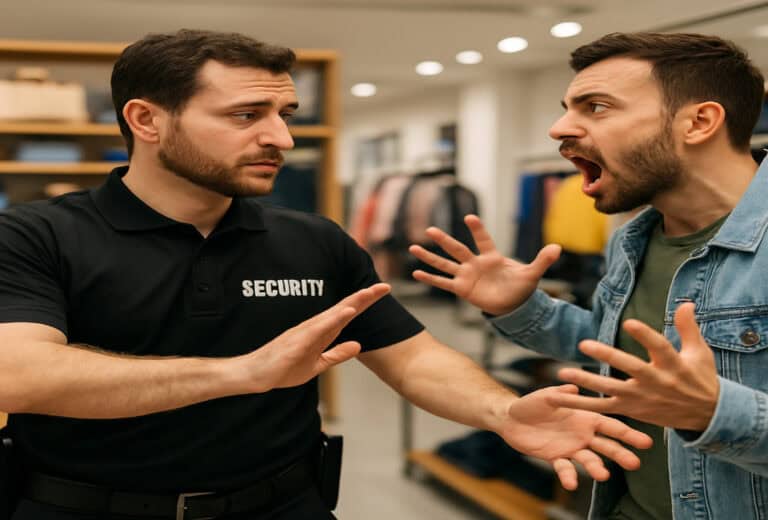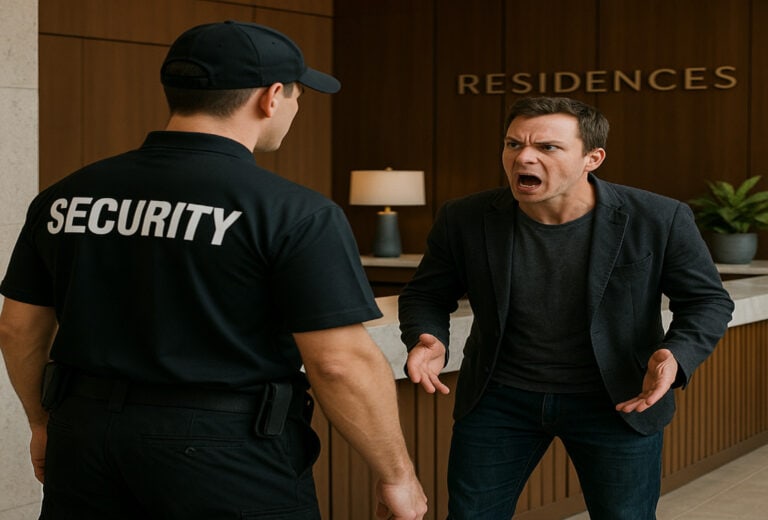
How Manitoba Security Guards Can Reduce Legal Risks Through Conflict Management & De-Escalation
Security guards working in Manitoba face unique challenges—from busy Winnipeg retail environments and nightlife districts to industrial sites across Northern Manitoba. With rising incidents involving use of force, wrongful detention, and human rights complaints, legal awareness and strong conflict-management skills are essential for every security professional in the province.
This Manitoba-focused guide outlines the key legal risks security guards face, the provincial laws that apply, and how proper training—supported by modern AI-enhanced tools—can significantly reduce liability for both guards and employers.
🔐 Why Legal Awareness Matters for Manitoba Security Guards
In Manitoba, security professionals often work in fast-moving, high-pressure situations where they must make quick decisions. Without a strong understanding of the law and proper de-escalation strategies, guards may face:
- Criminal charges (assault, unlawful detention, mischief)
- Civil lawsuits (negligence, breach of duty of care)
- Human rights complaints under the Manitoba Human Rights Code
Whether you work in Winnipeg’s downtown skywalk system, Brandon malls, healthcare facilities, or rural industrial sites, understanding Manitoba’s legal framework is key to staying compliant and protected.
⚖️ Criminal Liability in Manitoba: What Security Guards Must Know
Manitoba security guards must follow the Criminal Code of Canada, but also comply with provincial requirements under the Private Investigators and Security Guards Act (Manitoba).
Key Legal Considerations
Use of Force
- Section 25 of the Criminal Code allows guards to use reasonable force.
- Section 26 warns that excessive force can lead directly to criminal liability.
- Manitoba Justice guidelines emphasize de-escalation first, especially in healthcare and social-service environments.
- Manitoba Use of Force & De-Escalation Training can be found here.
Citizen’s Arrest (Section 494)
You may detain someone only when:
- They are caught committing a criminal offence, AND
- You deliver them to police “as soon as possible.”
Failing to meet these criteria may result in charges such as:
- Assault
- Forcible confinement
- Unlawful arrest
Provincial Compliance
Manitoba’s Private Investigators and Security Guards Act requires:
- Proper licensing
- Following employer SOPs
- Adhering to Manitoba Justice training standards
Real-World Manitoba Examples:
- Using a baton on a compliant shoplifter → possible assault charge
- Detaining someone without witnessing possession of stolen goods → potential forcible confinement
⚖️ Civil Liability: A Major Risk for Security Companies in Manitoba
Even when criminal charges are avoided, Manitoba security guards and employers may face civil lawsuits for actions that cause harm or financial loss.
Top Civil Risk Areas
Negligence
Failing to respond to a known risk—such as ignoring suspicious activity outside a Winnipeg retail store—can lead to lawsuits for property loss or personal injury.
Breach of Duty of Care
Leaving a post, failing to follow site protocols, or not completing patrols properly can expose both the guard and the employer to liability.
Defamation
Accusing someone publicly of theft without proof can trigger a defamation claim—especially common in retail settings.
Real Examples:
- Not intervening during a developing altercation → possible negligence claim
- Failing to monitor cameras in a multi-unit Winnipeg residential complex → civil liability for damages
🧑⚖️ Human Rights Compliance in Manitoba
Security guards must comply with the Manitoba Human Rights Code, which protects individuals from discrimination and privacy violations.
Critical Human Rights Areas
Privacy
- No unauthorized searches.
- Surveillance cameras cannot be placed in private or sensitive areas.
- ID checks must be lawful, non-discriminatory, and justified.
Freedom from Discrimination
Manitoba prohibits discrimination based on:
- Race, ancestry, or ethnic background
- Disability (including mental health)
- Gender identity/expression
- Age, family status, and more
Respect & Dignity
De-escalation techniques must avoid humiliation, intimidation, or unnecessary physical intervention.
Common Manitoba Complaints:
- Racial profiling during retail stops
- Inappropriate physical contact during searches
- Privacy breaches in residential or commercial towers
🛡️ Reducing Liability Through Strong Policies & AI-Enhanced Training
Leading security companies in Manitoba are increasingly adopting AI-powered training tools and stronger internal policies to reduce legal risk.
Best Practices for Security Organizations
1. Ongoing Training
Regular refreshers in Manitoba law, de-escalation, and use-of-force expectations are critical.
AI simulations allow guards to practice real-world scenarios safely. How to get your Manitoba Security Guard License here.
2. Accurate & Professional Incident Reporting
Clear documentation protects both guard and employer.
AI tools can help standardize:
- Use-of-force reports
- Witness statements
- Timeline verification
3. Regular Policy Audits
Reviewing SOPs ensures alignment with:
- Manitoba Justice licensing requirements
- Criminal Code updates
- Human Rights Code decisions
Examples of Modern Initiatives
- AI-Powered Conflict Simulations: Practice responding to theft, aggression, intoxicated individuals, and mental health crises.
- Automated Incident Reporting: AI assists in generating consistent, evidence-based reports.
✅ Final Takeaways: Staying Legally Safe as a Manitoba Security Guard
To minimize legal risk, Manitoba security guards should:
- Understand and apply federal and Manitoba-specific laws.
- Prioritize de-escalation and avoid unnecessary force.
- Follow employer SOPs and keep incident reports professional.
- Respect human rights, privacy, and dignity at all times.
Check out this example of apprehension risks when an Ontario security guard apprehended a shoplifter to illustrate the risks to guards.
Modern, high-quality training is essential—not optional.
📘 Recommended Training for Manitoba Security Guards
For up-to-date online training in:
- Conflict management
- Use-of-force law in Manitoba
- Incident reporting
- Customer service & de-escalation